This website is under construction.

Coming Soon
Sign up to hear when my journey begins.
“The purpose of Wildlife Sadhana is healing, empowerment and spiritual realization in sacred relation with nature.“
–Agni
Many symptoms, like emptiness, depression, meaninglessness, sense of alienation, are a cry of our souls. In such a cry is hidden a great power of longing to return to one’s wild nature and the formless source of all life.



Wildlife Sadhana
Sadhana means spiritual practice and discipline. There are varied forms of Sadhana in varied traditions.
Empowered soul, returns to the formless source: to the spirit, personified as Shiva in Hinduism. This is the Spiritual Realisation.
Yet the soul of the wilds is hurt by the world of norms, social rules, civilization, commerce and rationality. Only by recovering the bond of the human soul with the soul of nature, we heal. The love relation created through this healing is the best base to stop the further destruction of the Earth. This is Healing and Empowerment. And it is an urgent necessity.
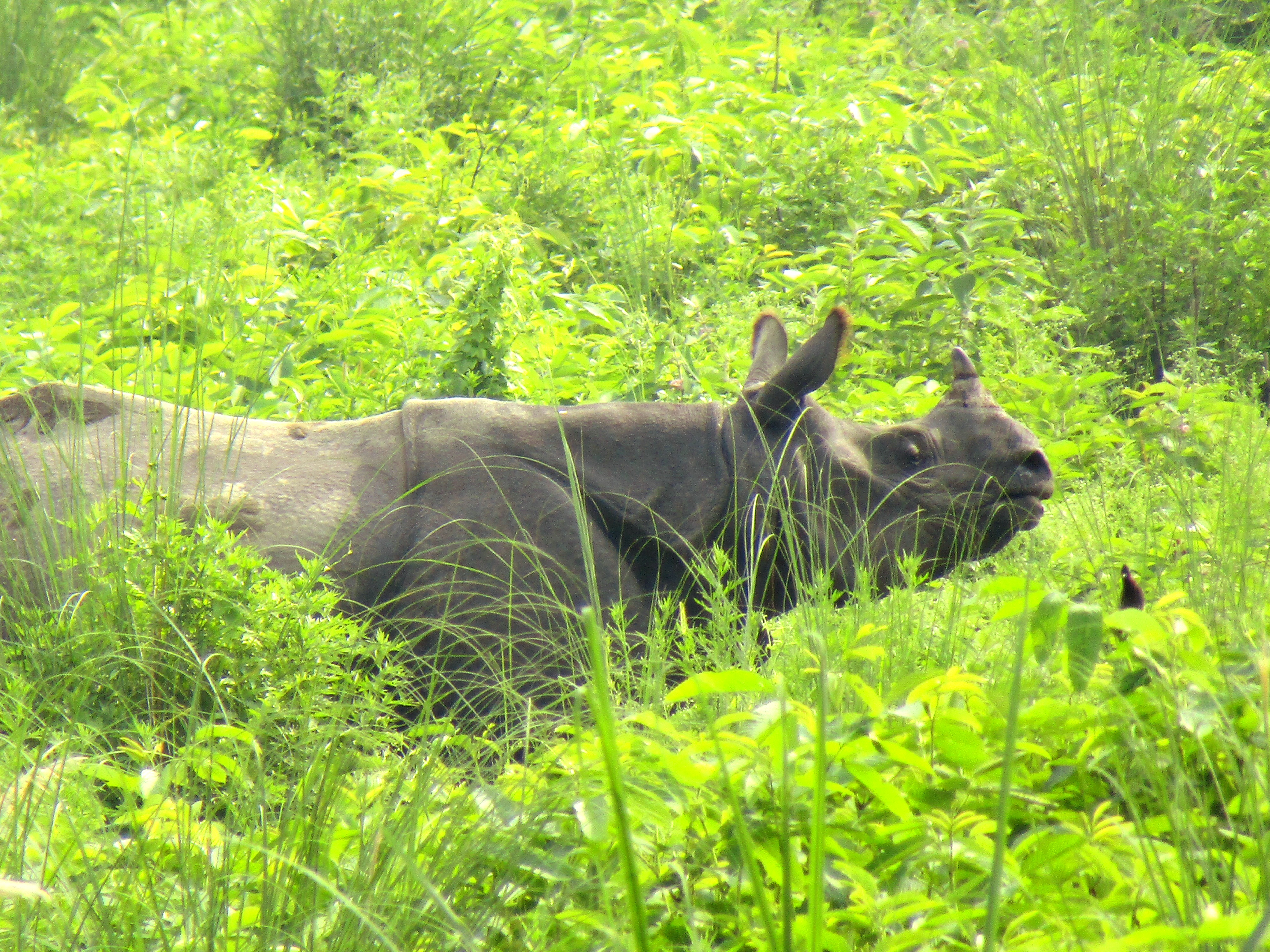
Wildlife Sadhana is based on the mystical experience of nature, including its essential elements like fire, water, earth and air, plants, trees, animals and natural places of spiritual power, like caves or the forest. It emphasises the spiritual connection with wildlife and it’s incredible potential to empower and liberate human soul.
Eventhough Wildlife Sadhana does not exclusively relate to Hinduism- as mystical aspects of human experience are universal- it includes those practices which allow to experience universal spiritual powers through personifications of Hindu gods and goddess and powerful symbolism of animals and nature offered in Hindu tradition. Wildlife Sadhana is not an externally imposed system of rules and rituals, but a way to follow inner fire of ones soul. As such, the practices give attention to the strengthening of the inner compass based on awareness of emotions.

Therefore, Sadhana integrates psychological aspects into the spiritual path, like awareness of emotions, personal valuing through the body, awareness of inner conflicts, multiple parts of the self, power of personification and emergence of individual symbols and significance of personal dialogue as described in psychological theory of Dialogical Self ( Hermans, 2001, Hermans & Konopka, 2010)
In Wildlife Sadhana spiritual and emotional relation with nature is central. A human being can humbly try to translate the spiritual wisdom of wilderness into human language. One may need to live and meditate in the wilderness to learn the wild soul tongue that is our ancient Mother Earth tongue.
Spiritual Powers

Practices relate to two spiritual powers: movement of life energy- called in Hinduism Shakti and formless consciousness, personified in Hinduism as Shiva. Realization and unification of these powers is the essence of spiritual realisation. Work with life energy includes awareness of emotions and varied forms that life energy takes. Work with consciousness transcends all forms. Its purpose is the realisation of the no dual formless consciousness- Shiva.
When Shakti- the life energy is invested in the world of forms and things and loses direct connection with the formless source, we suffer. Then Shakti turns into Maya- illusion. When the energy comes back to the formless source, we find peace and stillness emerging from union of greatest opposites. We still can act in this world. Any movement that comes from stillness, any word that comes from silence, has spiritual power.
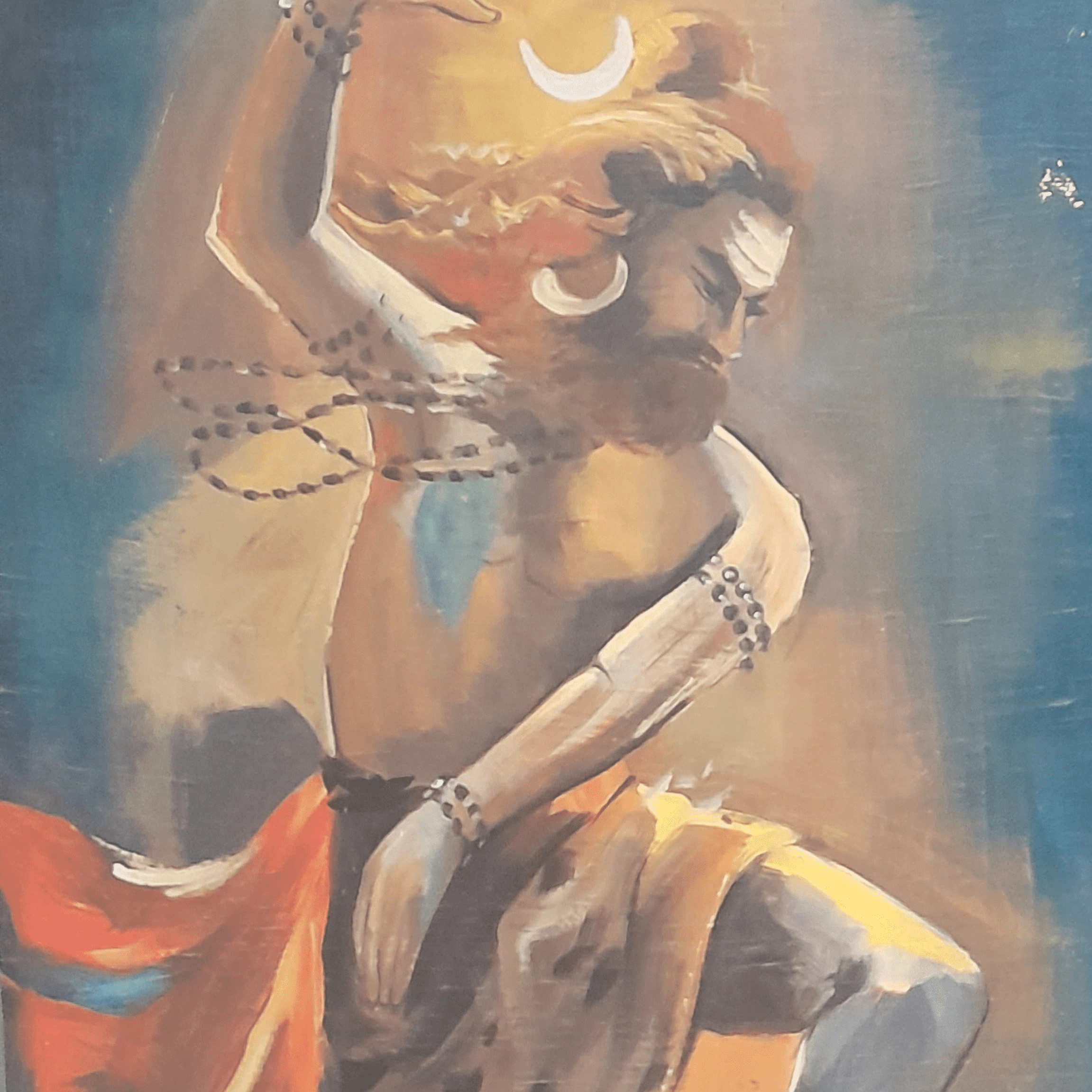
Lord Shiva is often depicted in his meditation in the jungle. He wears Vasuki- his precious snake as an ornament, showing how to be fearless with fear in a spiritual wilderness. He is a personification of pure consciousness- the witnessing presence that is inside of everybody.
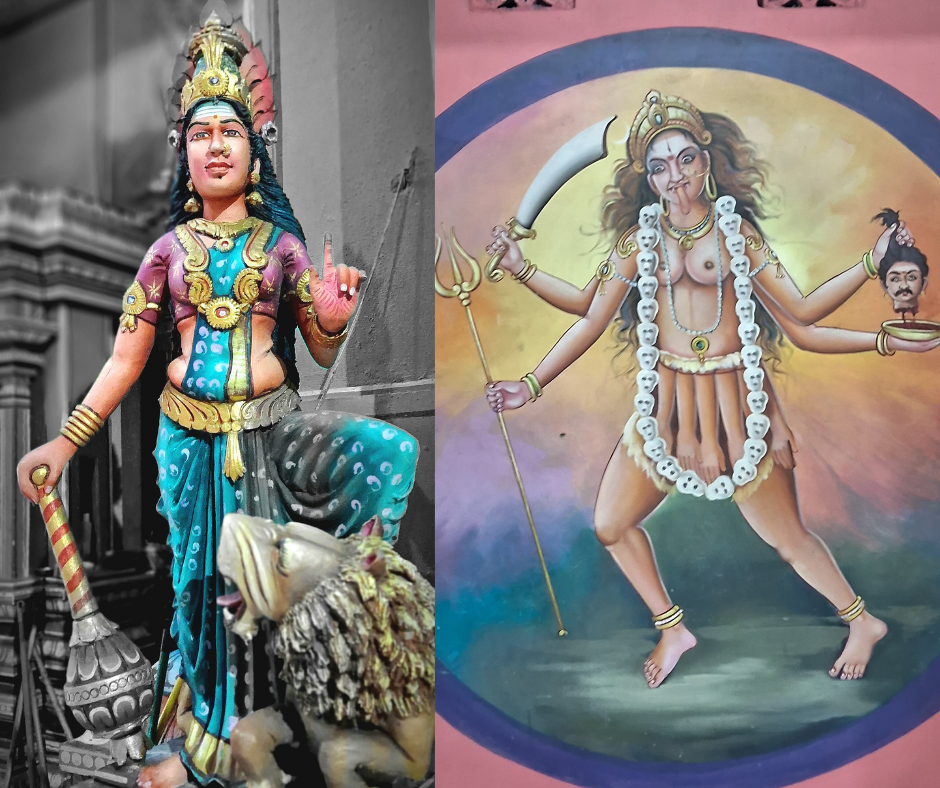
Kali, the Goddess who liberates and empowers the wild soul. Her tusks instead of teeth remind us about the animal power inside us. Her bloody tongue spreads the fire of life! She is the wild mother nature. Free and untamed. She liberates by killing the thinking mind. Encourages to break limiting convictions, rules and beliefs. She shows how to befriend the shadow. She calls to live fully and dangerously. Her thirst for blood is the wild power of life.
Everybody can connect personally with this powerful archetype. What Kali gives to one person may differ a lot from the gifts and wisdom given to another one. Finding her in one’s soul can empower and transform.
 ONE WORLD FAMILY